Alleycat Acres
By Scott McGowan
Three years ago, I participated in my first PARK(ing) Day – an annual, open sourced global event in which people from all walks of life temporarily transform parking spaces into public places.
That day forever changed the way I view how space is utilized in an urban setting. Over the course of the weeks following PARK(ing) Day, I set off to find an answer to the question: How can vacant spaces be used to bridge communities together?
That answer? Alleycat Acres.
Alleycat Acres was born during winter 2010, under the idea to (re)connect people, produce and place through building a network of neighborhood run farms on underutilized urban space.
By early 2011, twelve dedicated, diverse strangers came together to turn this idea into a reality. Together, we worked creatively to build the first farm in Beacon Hill, on a plot of land donated by a retired school teacher. That same summer, we broke ground on a 2nd farm in the Central District; and this year we celebrated our 2 year birthday by breaking ground on a 3rd farm, also in the Central District.
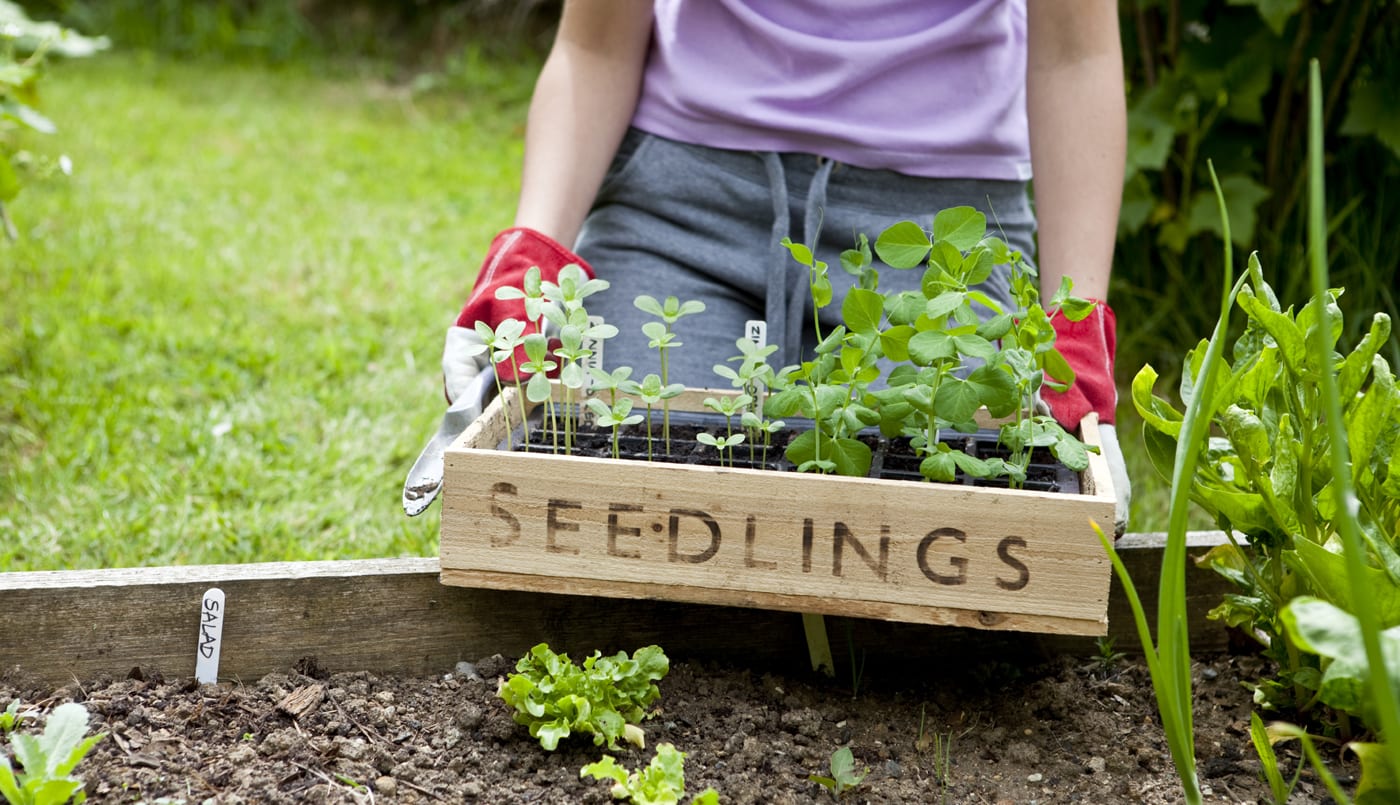
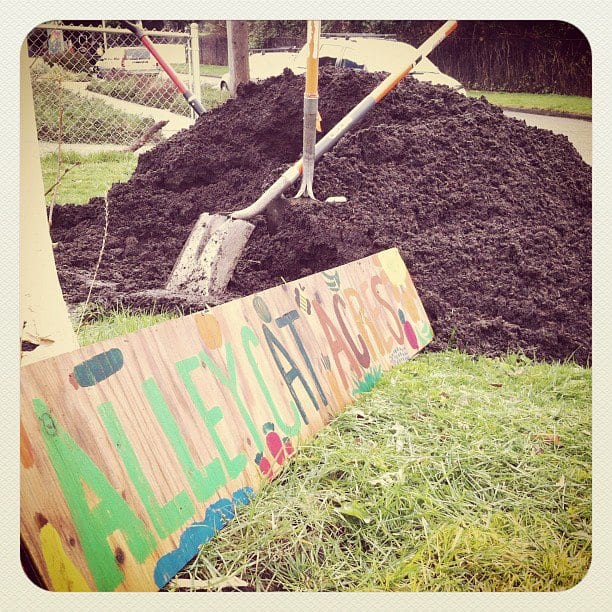 Our farms serve as community meeting grounds – allowing places for people who’d never normally meet to do just that — all while growing a healthier future. In the two years we’ve been growing, there’s been over 3,000 pounds of food harvested from all of the farms by the hands of more than 1,000 newly made friends – many of whom never have stepped foot on a farm or in a garden. All that produce that was grown? It went right back to everyone who helped it grow, along with one of three neighborhood based food banks that are close to each farm which is delivered by bicycle.
At the heart of our organization is the belief that food is more than what we eat. To all of us, it’s a medium through which we can forge intimate, meaningful relationships between people and place. Farming is a medium that reconnects us, both mentally and physically, to our surroundings. Our entire work is based on the collective belief that neighborhood powered urban food systems are key in creating healthy people and healthy places.
With every carrot we harvest, the promise of a better future is visible. Together, as we’ve learned, we can grow forth.
Check out more from Scott McGowan here at the Alleycat Acres Website and on Facebook, as well as his previous blog post on the Grow Blog here.
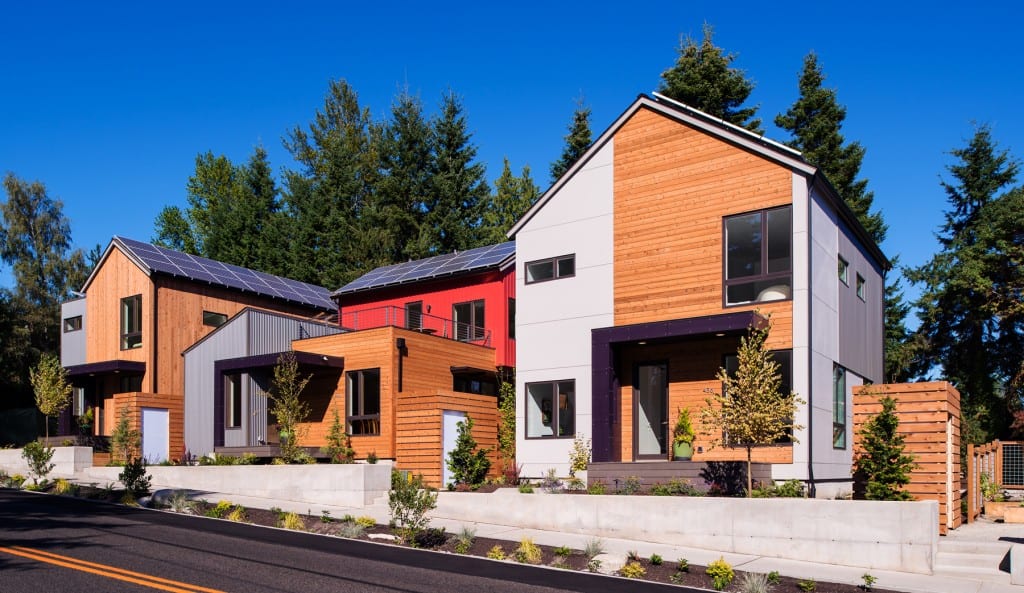
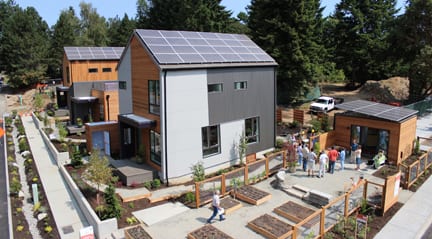 We have an even bigger challenge now. To encourage each and every resident to join us in meeting the One Planet Zero Carbon goal for the community. We think we can do this by making the option to add solar panels to each home an easy choice. With no-money down financing available for the solar package, and a well-established federal and state incentive program that essentially pays for the solar, there really is no reason not to add solar to each house. It is our hope that over time each and every building within Grow Community can be powered by solar, bringing the community as a whole closer to the goal of zero carbon living by 2020. We know it can be done.
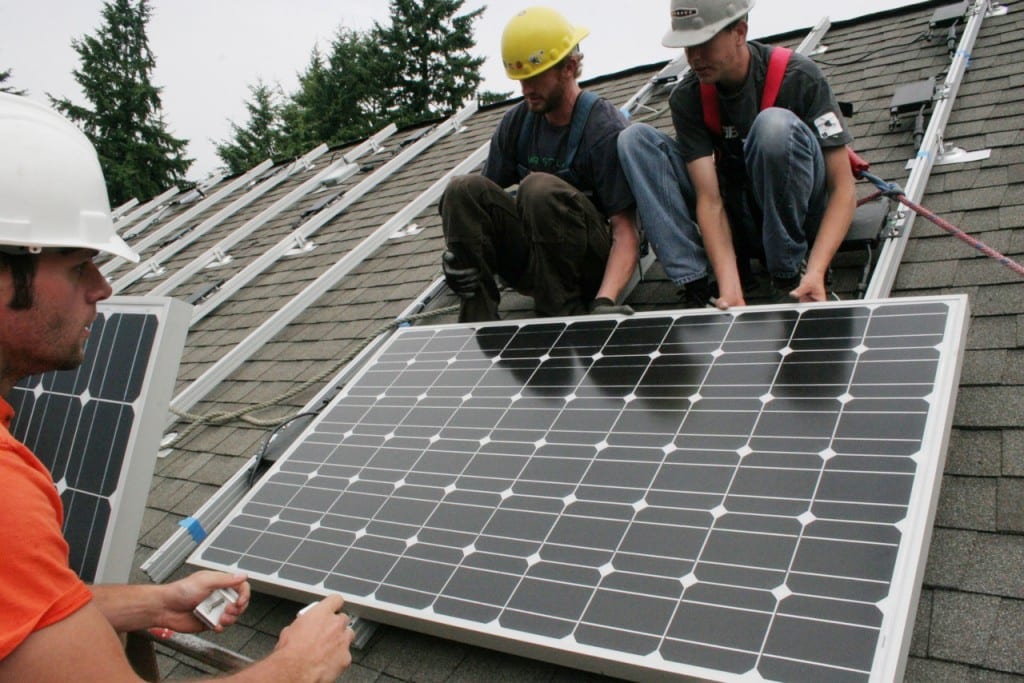 2. The second important incentive is provided by Washington State Department of Revenue’s solar power purchase incentive,through Puget Sound Energy (the energy provider on Bainbridge Island). In order to promote both energy efficiency AND Washington manufacturing, solar owners can receive up to $5,000 per year in production incentives until 2020 if they use renewable energy technology manufactured within the state. Grow Community uses solar modules manufactured by
 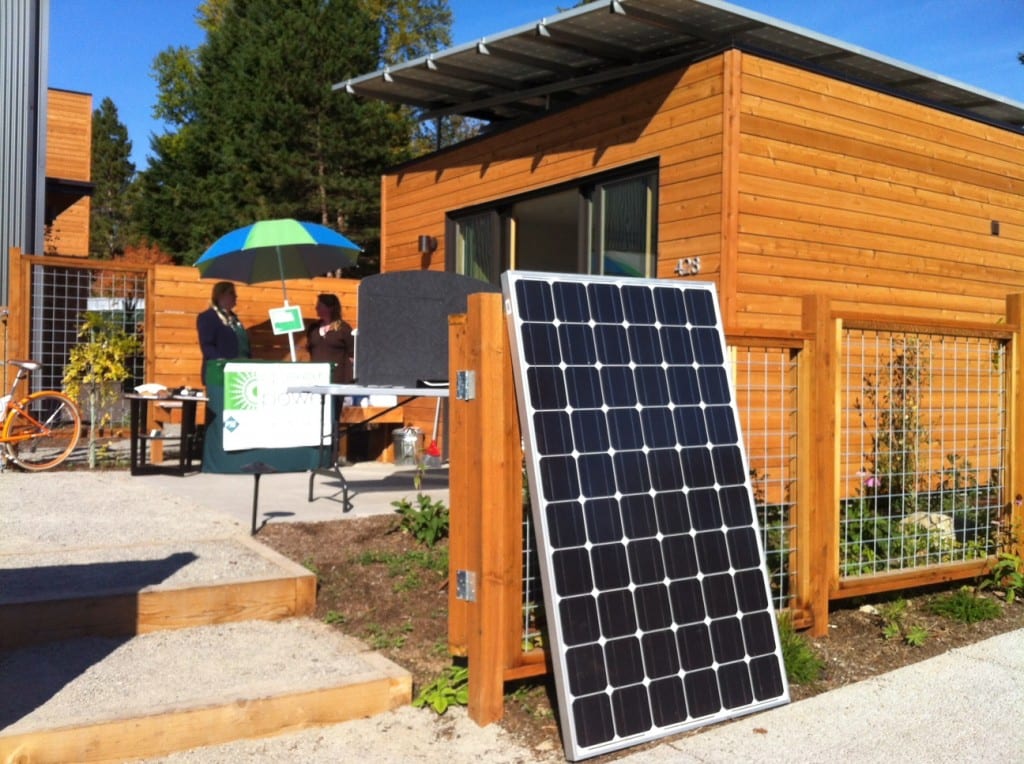 By working with iTek, Blue Frog, and PSE, to craft a solar package specifically tailored for each house, Grow Community homeowners are able to realize all three incentives: tax credits, power production incentives, and no electric bill each year. All this results in a payback of 7 to 8 years and a better return on your money than many current investment opportunities.


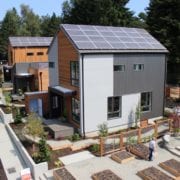
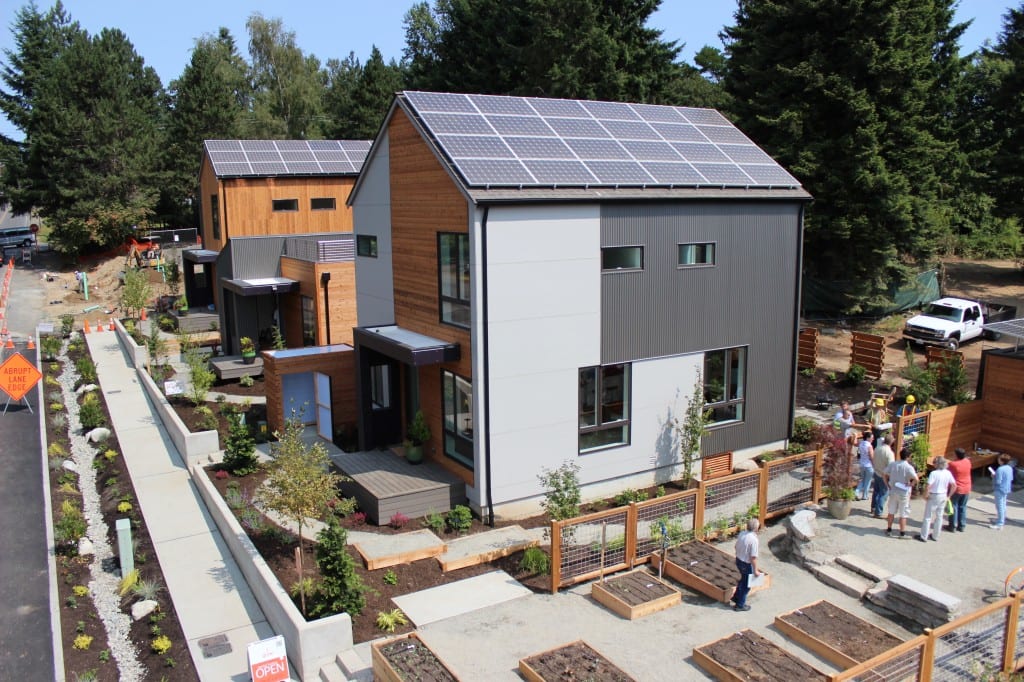 A big part of achieving this goal is the option for each homeowner to install solar on their homes.